

What Reiki is
Reiki is a beautifully simple yet deeply profound Japanese method for self-development and healing.
Reiki is a gentle, non-invasive healing practice that works with the body’s natural energy system to support balance, relaxation, and overall wellbeing. The word Reiki is translated as “divine universal life force energy” - the subtle energy that flows through all living things.
It is not tied to any religion, belief system, or spiritual doctrine. Instead, Reiki is a simple, universal practice that can complement any lifestyle or personal philosophy.
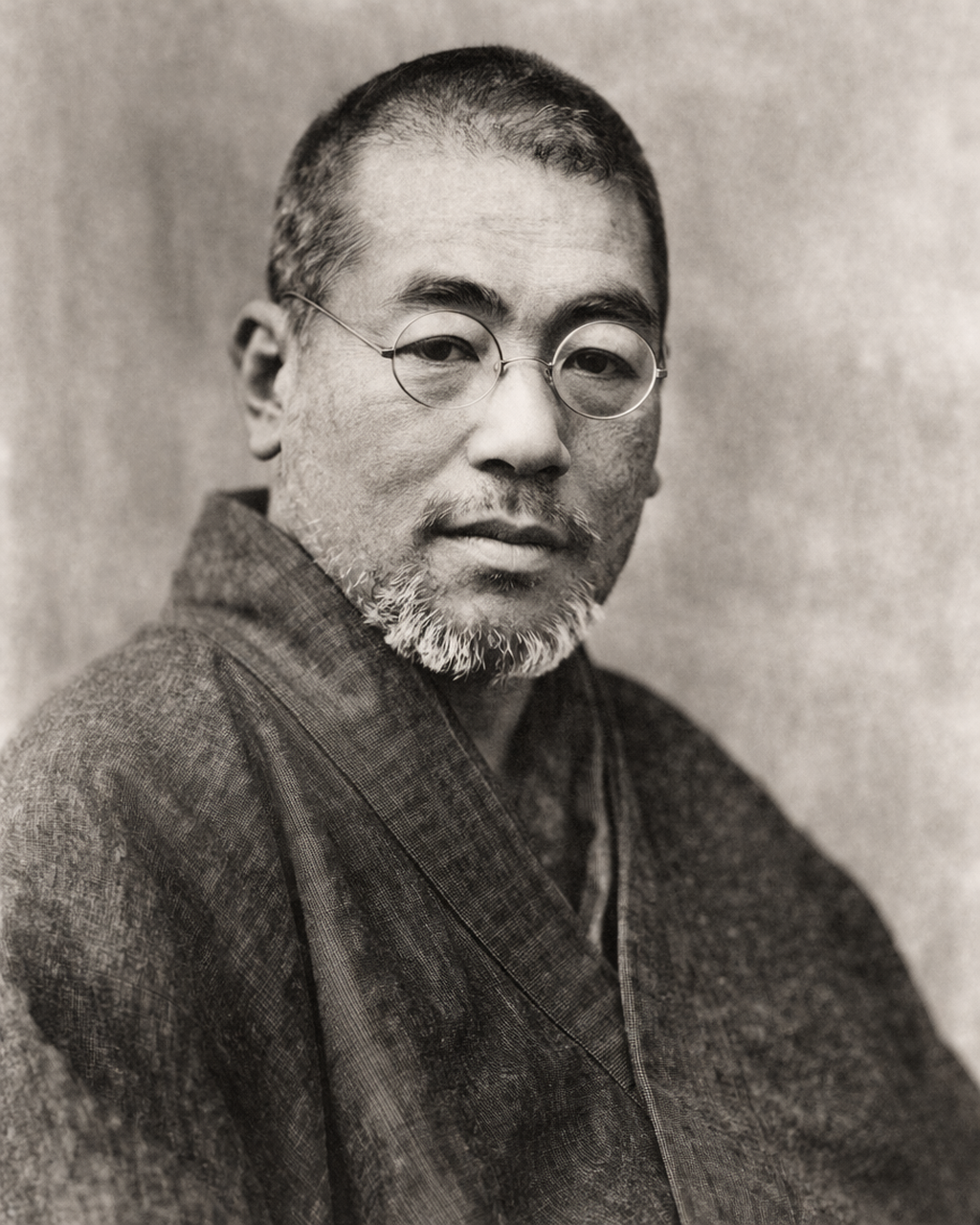
The system of Reiki as it is widely practiced today was developed in Japan in the early 1900s by Mikao Usui who created a structured method of channeling energy through gentle touch or hands held slightly above the body, with the intention of supporting the body’s natural ability to restore balance.
Reiki is often described as feeling deeply calming and grounding - like a “massage for the nervous system and the soul.” Many people experience it as a sense of warmth, stillness, emotional release, or deep relaxation.
Reiki is also considered a complementary therapy and is offered in some NHS settings alongside conventional care.
In different traditions around the world, this life force energy is known by different names: in yoga it is called prana, and in Chinese medicine it is referred to as chi. Reiki works with the same universal principle of energy flow.
Reiki History
Reiki is a Japanese energy healing system founded in 1922 by the scholar and spiritual teacher Mikao Usui, following his spiritual training and awakening on Mount Kurama in Japan.
Usui began working with individuals to offer healing and share his method of spiritual practice. He placed strong emphasis on personal development, meditation, and inner awareness as essential aspects of the system. He went on to teach over 2,000 students, refining what he referred to as his “system of Reiki” - a practice that supports physical, emotional, mental, and spiritual wellbeing through the channeling of universal life force energy.
One of his key principles was that Reiki is not only a healing practice, but also a path of self-awareness and spiritual growth.
The Reiki Principles
Usui also taught a simple ethical and spiritual framework for daily life, known as the Reiki Principles:
Just for today:
- Do not be angry
- Do not worry
- Be grateful
- Work honestly and diligently
- Be kind to all, including yourself
These principles remain central to Reiki practice today, supporting a more conscious and balanced way of living.
How Reiki works
Reiki works by supporting the body’s natural ability to return to balance and wellbeing.
During a treatment, energy is gently directed through the practitioner’s hands and is received by the client exactly where it is needed most. This may support:
relaxation and stress release
emotional processing and clarity
physical ease and recovery
a sense of grounding and inner calm
Reiki is often described as working beyond the surface level, supporting not just symptoms, but the deeper energetic patterns that may contribute to imbalance.
Reiki as a path
Beyond a healing practice, Reiki is also a spiritual path - one that encourages reconnection with inner awareness, intuition, and presence.
It is not a religion and does not require any belief system. Instead, it works alongside any personal or spiritual path, or none at all.
For many, Reiki becomes a way of living more consciously, with greater sensitivity, awareness, and alignment.
The Reiki lineage
A defining aspect of Reiki is its lineage - the line of teaching and attunement passed from teacher to student.
Reiki is traditionally taught through an energetic initiation process known as an attunement, passed from a Reiki Master to a student. This process links practitioners back through a continuous teaching lineage to Mikao Usui.
This lineage is often compared to a family tree, ensuring continuity of practice and transmission of the system through generations of teachers.
Camilla trained at The Reiki Academy, where training is offered within both the Western and Japanese Reiki lineages, each carrying its own historical development and teaching style, while remaining rooted in the same original source.
In essence
Reiki is both simple and profound - a practice of reconnecting with the natural flow of life force energy within and around us.
It supports healing, balance, and awareness, while also inviting a deeper relationship with ourselves and the world around us.
At its heart, Reiki is a return to presence, harmony, and inner connection.
Receiving a treatment
Reiki is non-intrusive, non-manipulative and it does not diagnose. To have a Reiki treatment, you simply remain fully clothed and lie on a massage table, covered with a blanket. I will work with my hands both on (just a simple gentle touch, the hand resting lightly) and/or off (raised about an inch or two above) the body.
Each session is unique and guided by your individual needs on the day. There is no expectation or pressure - I am simply holding a space for you to rest, receive, and restore.
After the session, I will gently share any intuitive insights or observations that came through, along with grounding guidance if helpful.
What you will feel
At the very least you will experience deep relaxation like none you have ever experienced before. You will in all likelihood fall fast asleep and wake up feeling lighter, refreshed, balanced and rejuvenated. You may also experience profound insight, clarity of mind and feel emotionally uplifted.
Benefits
Reiki can help us physically, mentally, emotionally and spiritually. We do not have to be sick to receive Reiki - it is a wonderful recharge.
Reiki can be beneficial for physical ailments, chronic and acute illnesses, First Aid and it can strengthen the immune system and relieve the side-effects of medication. It is recognised and approved in the NHS as a Complimentary Therapy alongside Acupuncture etc.
Emotional trauma such as depression, insomnia, lack of confidence and anxiety can be eased and balanced. Clients report feeling more in control, more at ease, calmer and more easily able to cope with stress.
Spiritually, we can feel more connected to our reason for being, a general feeling of wellbeing, contentment and fulfilment. Mindfulness and a sense of presence is a wonderful and positive ‘side effect of Reiki.
In-Person Treatment
What to Expect: In-person Reiki
Especially supportive if you:
prefer a face-to-face healing experience
feel comforted by in-person presence and energy exchange
are dealing with stress, burnout, or emotional overwhelm
want deeper relaxation and nervous system support
Receiving a treatment
Distance Reiki is a way of receiving Reiki energy without being physically present in the same room. Energy is not limited by time or space. Just as we can feel connected to someone through thought, intention, or emotion, Reiki can also be sent and received across distance.
During a session, I connect to your energy field and work intuitively with Reiki energy to support balance, relaxation, and emotional wellbeing. You simply need to find a quiet space where you can rest undisturbed.
You do not need to be on camera for your Distance Reiki session. The healing is carried out remotely, so you can simply relax in your own space without any need for visual connection during the treatment. However, we may arrange a brief phone or video call beforehand if you would like to discuss the process, ask any questions, or share anything that feels important before your session. This helps ensure you feel comfortable, informed, and fully at ease.
You will also receive post-session feedback or insights afterwards, to support your integration.
What you will feel
The sensations are identical to those felt when I am treating you in- person. Clients often report sensations such as warmth, tingling, deep calm, or emotional release during or after a session, while others simply experience a profound sense of peace and grounding.
Some clients may also notice intuitive insights, emotional shifts, or a deeper sense of clarity during or following a Distance Reiki session.
Each session is individual and guided by what you need most at that time — whether physical, emotional, or energetic support.
Distance Treatment
What to Expect: Distance Reiki
Especially supportive if you:
prefer healing from the comfort of your own home
are unable to attend in person
are going through emotional stress or fatigue
want ongoing energetic support between in-person sessions
Subtle Body
Energy Centres - Chakras
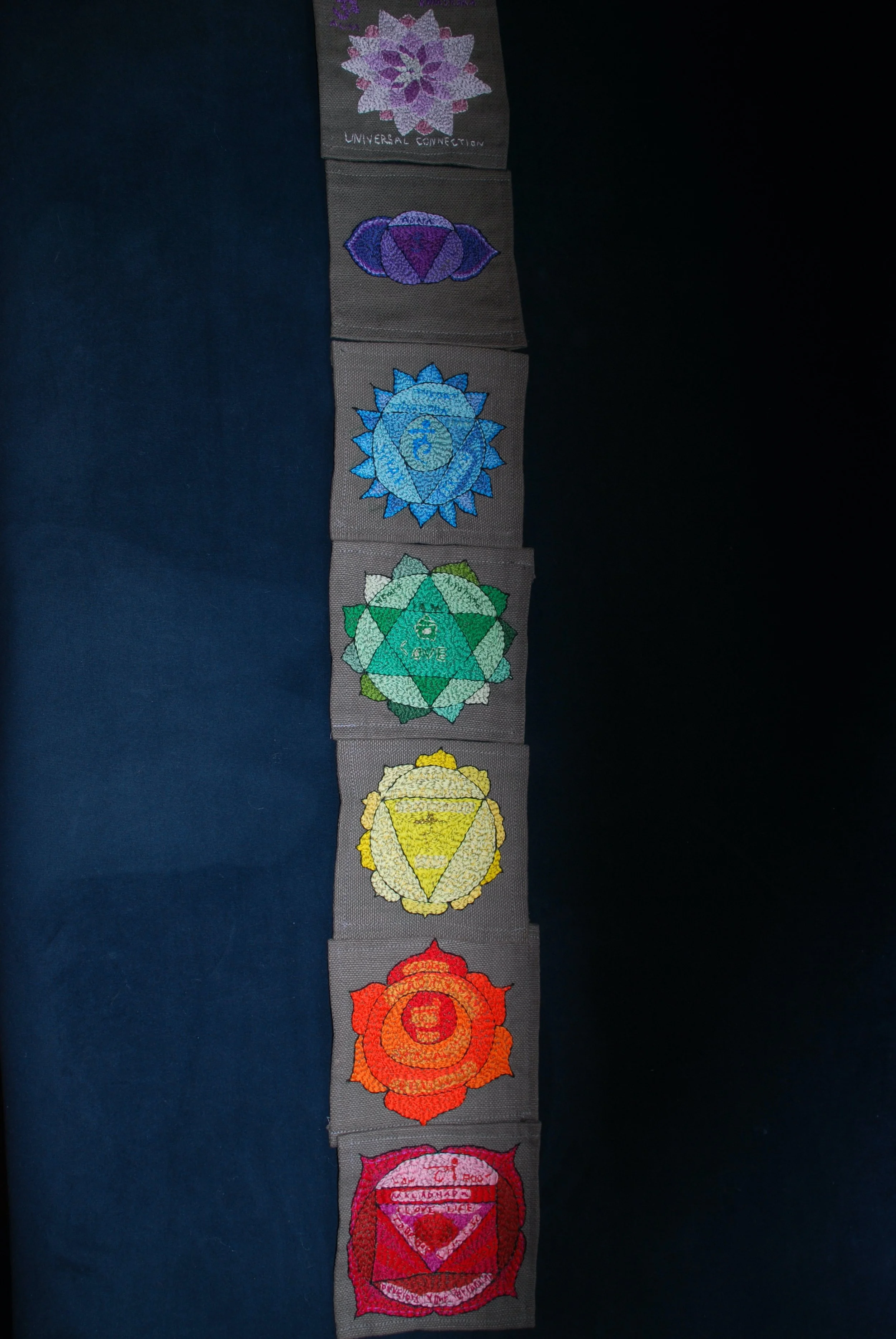
When working with Reiki, I work with the body’s energetic system, including the chakras. Chakra is a Sanskrit word which is described as a “wheel of energy”. You don’t need any prior knowledge of energy systems for this to be meaningful or effective, but many people find it helpful to understand the framework behind their experience. This language simply offers a way of describing how emotions, stress, and life experiences can be held within the body and energy field, and how balance can be gently restored through Reiki. Two of the main components of our energy body are our energy centres: Chakras and energy pathways: Nadis.
Chakras originated in ancient India, with their earliest roots in Vedic texts (c. 1500–1000 BCE) and extensive development within Tantric Yoga traditions between 600–1300 CE. They are considered energetic focal points in the subtle body, representing wheels of energy that bridge physical, mental, and spiritual dimensions.
Chakras vibrate to different colours and frequencies. They act as transformers and are gateways for healing. The state and condition of our energy centres can directly impact our physical, emotional, mental and spiritual well-being, therefore they can be affected or become imbalanced through shock, trauma, grief, stress, fear and anxiety.
During a Reiki treatment life force energy flows to your energy centres, major organs and glands and by adopting different hand positions it may be distributed through your energy pathways.